Rust Trio Controlling a 500-Pop Server
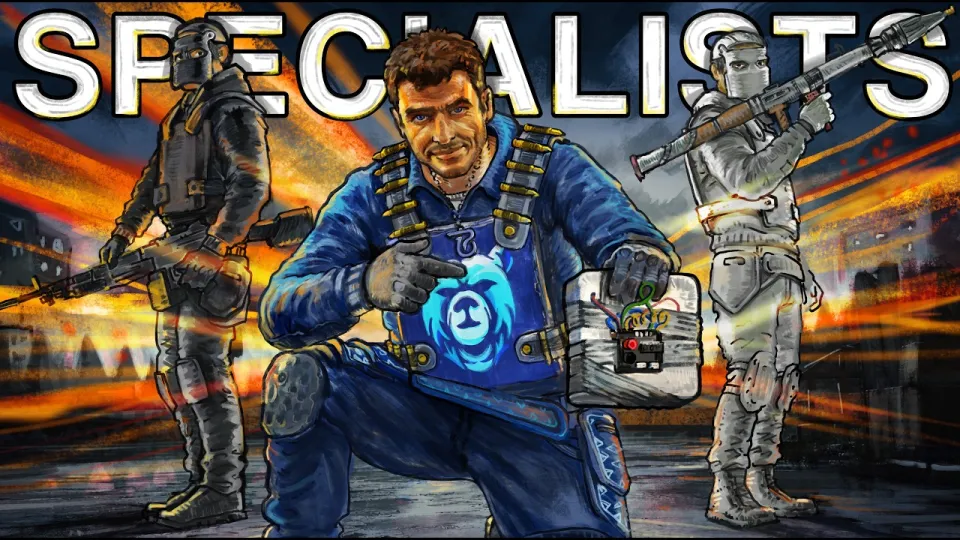
Video: How a 40,000-Hour Trio CONTROLS a SERVER - Rust
Need articles like this for your video? They help promote it on YouTube and Google — order them in the Telegram bot @sat_sit_bot. Articles with your video embedded are written and posted by the bot itself — on popular topical sites (no ads). Try it free: 50 articles on us.
· based on the channel Blooprint
A Rust trio with roughly 40,000 combined hours can control a 500+ population server because experience compresses every decision: faster early progression, better raid timing, cleaner base defense and fewer wasted resources. In the Blooprint video, the squad of Blooprint, Disfigure and Nine starts a wipe without big ambitions and ends up raiding most of the competition. You can follow the creator's live play and streams via Blooprint's Twitch channel.
What 40,000 hours actually buys a Rust trio
Hours in Rust are not a cosmetic badge; they translate into a set of habits that show up in every wipe. A trio that has played thousands of hours each does not need to discuss basic tasks, so the group spends its attention on the map, on neighbors and on timing.
- Progression order. The team knows which monuments to hit first, what to craft before the first night and when to stop farming and start crafting explosives.
- Resource discipline. Sulfur, metal fragments and components are budgeted against a raid plan instead of being burned on impulse.
- Role clarity. One player scouts, one builds and one handles trades and crafting, and the roles rotate without voice-chat arguments.
- Risk assessment. The trio can read a base from the outside — doors, honeycomb, roof access — and estimate whether the loot justifies the cost.
- Mechanical consistency. Recoil control, peek timing and building under pressure are automatic, which matters in every online fight.
None of these advantages is dramatic on its own. Stacked together on a high-population server, they turn a three-man group into something that behaves like a much larger clan.
Why a 500+ population server changes the math
High population is the real difficulty setting in Rust, and a 500+ pop server punishes every slow decision. More players means more competition for the same monuments, more counters to every raid and more groups that will hear C4 from across the map.
On a server that crowded, the trio cannot simply out-farm everyone. Instead, control comes from:
- Map awareness. Knowing which grids are active, which bases are abandoned and where fights tend to break out.
- Timing. Raiding when the server is distracted — during a wipe event, a big clan fight or late at night for the region — reduces the chance of being countered.
- Logistics. Staging loot, moving sulfur and keeping a forward base close to the target instead of hauling everything from the main base.
- Reputation. A group known for online raids and clean defenses gets fewer free counters, because other players weigh the risk before showing up.
That combination is what separates a strong trio from a trio that merely plays a lot. The server population is not a backdrop; it is the opponent.
The raid economy: sulfur, explosives and when to commit
Raiding in Rust is an economy problem before it is a combat problem, and the trio treats it that way. Every explosive spent has to be justified by the loot behind the wall, or by the strategic value of removing a competitor.
A practical raid checklist for a three-man group looks like this:
- Scout the target. Count doors, check for window frames and look for signs of honeycombing before spending anything.
- Estimate the cost. Compare the required C4 or rockets against the expected loot and the value of denying that base to a rival.
- Stage the raid. Move explosives and backup kits to a nearby forward base so a failed push does not end the wipe.
- Bring defense gear. A raid is also a defense: extra kits, meds and building materials for a quick raid base.
- Expect online. On a 500+ pop server, assume the defenders will be home and that a third party will arrive.
Online raids are where the trio's hours show most clearly. Defenders who know the base have an advantage, so attackers need to force mistakes — pressure multiple sides, cut off the exit and keep the raid base standing long enough to hold ground.
Defense, counters and the mistakes that decide wipes
The flip side of raiding is being raided, and control of a server means surviving the retaliation. A trio that raids aggressively will be targeted, so base design and response speed matter as much as aim.
Key defensive principles for a small group:
- Layer the core. Honeycomb, multiple doors and a loot room that is expensive to reach buy the minutes needed to respond.
- Keep a defense kit ready. Armor, weapons and meds stored near the entrance let defenders gear up in seconds instead of minutes.
- Use the terrain. Cliffs, rocks and nearby player bases limit how attackers can approach and where they can place a raid base.
- Communicate the breach. One clear call about which side is being hit is worth more than three players guessing.
The video's story includes the kind of moment that decides a wipe: a raid defense where a mini-copter ends up wrecked mid-fight, and a full wipe of attackers that ends with a teammate calmly eating a chimichanga. Those scenes are funny, but they are also the payoff of preparation — the defenders had gear, a plan and the numbers to push out.
Reading the community reaction to a Rust story
Audience response to this kind of video reveals what actually keeps people watching Rust content. Many viewers have never installed the game, yet they follow entire wipes as stories with stakes, rivalries and reversals.
Three themes come up repeatedly in the comments:
- Nostalgia for aggressive play. Seeing a geared roam with high-tier weapons reminds long-time viewers of earlier eras of Rust, when top gear left the base more often.
- Respect for gear fear. Players who take an M2 out roaming instead of leaving it in a box earn credit, because most groups hoard their best weapons.
- Suspicion of sudden skill jumps. When previously passive players start winning fights, viewers notice and question it — a reminder that reputation and consistency are part of the viewing experience.
For a creator, that feedback loop matters: the trio format works because three distinct personalities create friction, humor and clear decision points that a solo or a huge clan cannot reproduce.
How to apply trio habits to your own wipe
A three-man group can borrow the same structure without 40,000 hours behind it. The goal is to remove avoidable mistakes and make the group's decisions predictable to each other.
- Agree on a wipe plan before the server goes live: who builds, who farms, who scouts.
- Set a sulfur target before raiding and stop farming when you hit it.
- Build a small forward base before every major raid instead of hauling from the main base.
- Always keep one defense kit per player ready at the base entrance.
- Review each raid afterward: cost, loot and what went wrong.
These habits do not make a trio unbeatable, but they make the group efficient, and efficiency is what lets a small squad compete on a crowded server.
Useful links
- Blooprint on Twitch — live streams of wipes and raids
- Blooprint on Kick — alternative streaming channel
- Blooprint on TikTok — short clips and highlights
- Blooprint on Twitter — updates and announcements
- Blooprint Discord — community and server talk
What a controlled server really looks like
Control in Rust is not a single raid or a lucky fight; it is the accumulated result of fast progression, disciplined spending and reliable defense. The Blooprint trio demonstrates that a three-man group with deep experience can outmaneuver a much larger population by making fewer mistakes and choosing its battles. The channel Blooprint builds these wipes into full narratives, which is why the story reads clearly even for viewers who have never played. If you want to see the decisions happen live, follow the action on Blooprint's Twitch stream.
Key takeaways
- Blooprint, Disfigure and Nine run a three-man squad with roughly 40,000 combined hours in Rust.
- The wipe played out on a 500+ population server, where competition for monuments and raids is constant.
- The trio moved from a quiet start to raiding the server's competing groups within the same wipe.
- Online raids and base defenses are the core of the story, including a memorable mini-copter crash.
- Hours of experience matter most in decision-making: when to raid, what to bring and how to defend.
Questions & answers
How many hours does the trio in the video have in Rust?
The group is presented as having roughly 40,000 combined hours across Blooprint, Disfigure and Nine. That experience shows up as faster progression, better raid budgeting and calmer defense rather than as a single mechanical edge.
What does 500+ pop mean in Rust and why does it matter?
It means more than 500 players are on the server, so monuments, roads and raid targets are contested constantly. A small group has to rely on timing, scouting and logistics instead of simply out-farming everyone.
Why do viewers question sudden skill jumps from quiet players?
When players who previously avoided fights start winning aim duels, audiences suspect cheating or hidden gear. In Rust, reputation and consistency are part of how a story is received, so unusual shifts draw attention.
Can a three-man group control a high-population server without thousands of hours?
Yes, but through structure rather than raw skill: a clear wipe plan, a sulfur budget, forward bases for raids and ready defense kits. These habits reduce wasted resources and make the group's decisions predictable to each other.
Source: How a 40,000-Hour Trio CONTROLS a SERVER - Rust · Markdown version